The Philosophy of Kaiseki: Harmony in Ten Courses
An evening inside an unadorned Gion kitchen where time, season, and botanical memory converge.
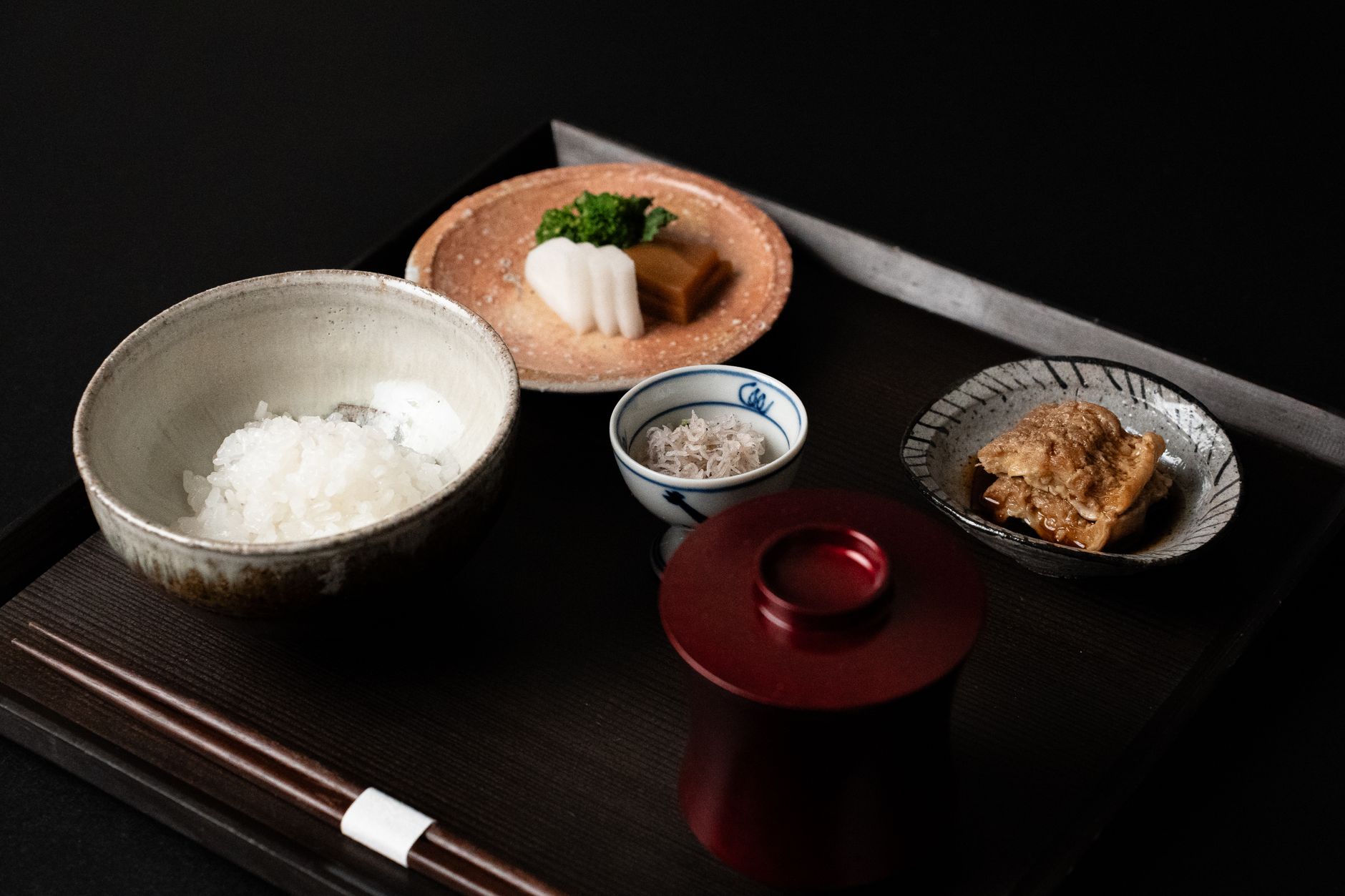
In Kyoto, culinary mastery is not judged by complexity or ostentatious luxury, but by restraint. In a small cedar-lined dining room tucked behind a discreet noren curtain, Chef Kenji Sato prepares dashi broth from kelp aged three years on the northern coast of Hokkaido. The liquid is clear, pale gold, and carries the deep essence of the sea without an ounce of weight.
The Micro-Seasons of the Japanese Year
While the Western calendar counts four seasons, traditional Japanese culture recognizes seventy-two micro-seasons (ko), each lasting roughly five days. A kaiseki meal is a living ledger of these fleeting intervals. A single wild chrysanthemum petal floating in your soup confirms the first chill of late October.
“We do not invent the flavor of the turnip; we simply remove the obstacles that prevent it from speaking of the autumn soil.”
The progression of courses follows strict spiritual logic: sakizuke (an introductory bite), hassun (a seasonal arrangement that honors land and sea), mukozuke (seasonal sashimi cut with razor-honed reverence), and wanmori (the centerpiece soup dish served in lacquerware polished over generations).
Ceramics as Architectural Counterpoint
Equally integral to the meal are the vessels. Antique Oribe stoneware with its characteristic green glaze, rustic Bizen pottery bearing the touch of wood ash, and Edo-period lacquer provide a tactile narrative. Every cup and plate has its own history and temperature, creating an intimate dialogue between food and craft.
To dine in this quiet manner is to step outside the frantic acceleration of 21st-century travel. It asks you to sit still, observe the grain of the wood counter, and let each subtle taste linger.
Experience Kyoto's Artisan Quarter
Explore our culinary field guide to hidden machiya dinners.